
Why Permanency Changes Everything: Cynthia’s Story
I grew up believing that belonging was something other people received.
It arrived for them in the front seat of a car after school. It lived in a last name that never changed and in the certainty that someone would still be there in the morning. I watched it happen over and over — other children leaving with their forever families while I learned how to carry my life in a single bag and call each new transition “home.”
Foster care was the landscape of my childhood; a place that taught me resilience and adaptability, but also what it means to grow up without a lasting sense of belonging. It provided safety, yet everything was temporary. I didn’t know then that the absence of permanency would follow me long after childhood.
The Myth of “Aging Out”
People often talk about foster care as something you grow out of. You don’t. You simply grow older.
You become successful. You build a career. You learn how to lead, how to solve problems and how to be the strongest person in the room. But inside, there is often still a child listening for footsteps that never return.
In my career, I became the “highly independent employee” — the kind organizations rely on. I knew how to read a room, adapt to chaos and anticipate needs before they were spoken. These are often celebrated as the strengths of youth who lived in foster care, but we rarely discuss their origin:
- Hyper-independence is the lesson learned when there is no one to depend on.
- Excellence is the pursuit of a child who believes their value must be proven to be kept.
- Leadership becomes a way to manufacture the safety you never had.
I rose into leadership in human resources and operations, becoming the person others turned to in crisis — calm, capable and composed. Yet, in moments alone, the old ache remained: I was still waiting to be chosen.
The Long Shadow of Impermanence
Without permanency, the world teaches you a dangerous lesson: Everything is temporary. Homes, relationships, opportunities — even love. For a child lingering in foster care, this isn’t pessimism; it’s pattern recognition.
As an adult, it took years to understand why I could lead a boardroom with confidence but tremble in spaces requiring emotional vulnerability. Permanency is not merely a legal document; it is an identity. It answers three questions every human soul asks:
- Where do I come from?
- Who claims me?
- Where is home?
What One Stable Presence Can Do
Even amidst instability, there were people who showed me what consistency looked like. They didn’t always know their impact, but they stayed long enough for me to see a glimpse of a different reality. They taught me that permanency does not require perfection. It requires presence. It requires someone to say, “You are not temporary to me.”
Today, my life is a testament to resilience. As an author, founder and leader, I help others transform adversity into strength. I tell my truth because there are still children waiting in that uncertainty … wondering if they are “too old” or “too much” to be chosen.
Why Permanency Changes Everything
Having a permanent family does more than change a child’s mailing address. It changes their internal compass. It provides a starting point instead of a recovery process.
Permanency whispers, “You are not temporary. You are not a burden. You are ours.”
That single truth is the foundation for every future success.
A Birthright, Not a Reward
I often wonder how different my inner world might have been if I had entered adulthood with an anchor instead of an ache. I think of the children who can still have that reality; children who won’t have to “earn” their worth through achievement because they know belonging is their birthright.
To the families considering adoption, know this: You don’t have to be perfect. You only have to stay.
The Dave Thomas Foundation for Adoption’s mission is deeply personal to me because I am the adult a waiting child becomes. Because I never experienced permanency, I understand how deeply it shapes a life. I built a successful career and a mission centered on resilience, but I also know how much energy it takes to create your own sense of home.
Adoption changes that story. It allows a child to grow up rooted instead of recovering. It turns survival into possibility and ensures that a child is chosen — not for a short time, but for a lifetime.
Today, I use my voice and my work to advocate for belonging and stability because I know the difference it makes. The mission is not just about adoption; it is about transforming lives and breaking generational cycles of uncertainty.
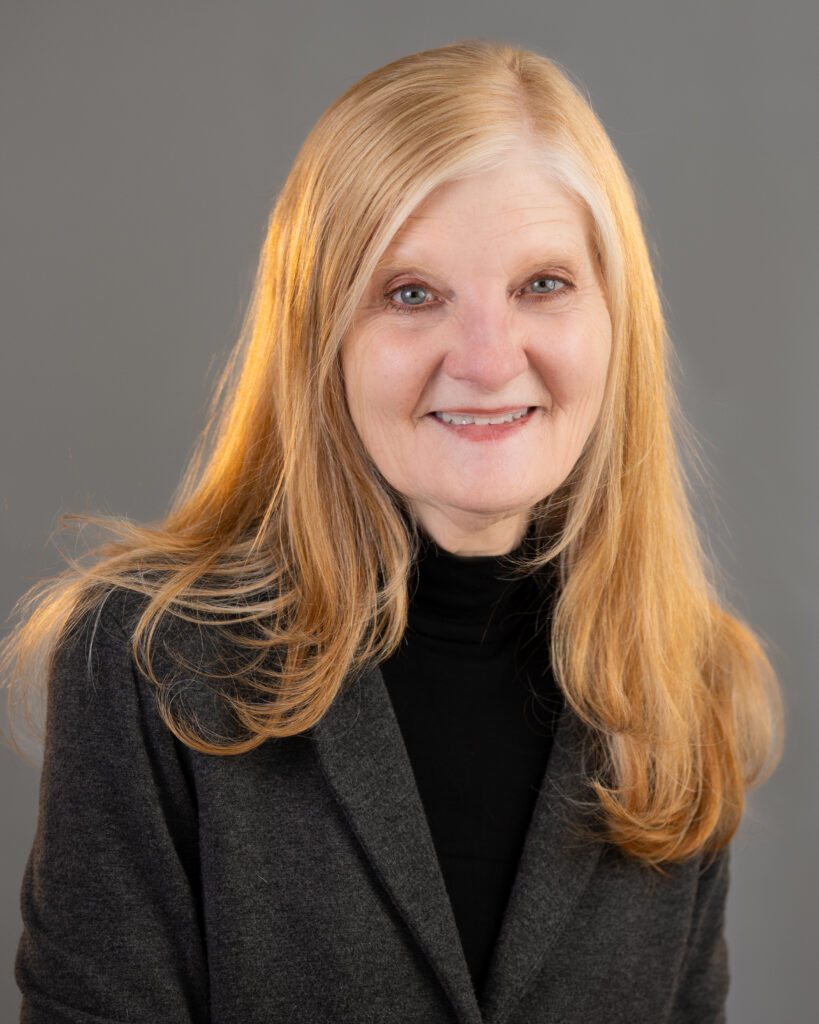
Cynthia Goble is a resilience leader, founder of Rise and Resilience, LLC, and author of the memoir Forever a Foster Child. Cynthia advocates for trauma-informed leadership and the critical mission of finding permanent families for every child in care.
Thank you, Cynthia, for sharing your story and supporting others on their adoption and foster care journeys. To learn more about adoption, including adopting from foster care, read our free step-by-step guide and explore other ways to get involved to help a child waiting for a family.


